Safe sleep for babies: 6 rules every parent should know

Newborn babies sleep a lot, day and night. How you put your baby down to sleep matters a great deal for their safety. Sudden infant death syndrome (SIDS) is rare, but a few simple steps lower the risk a lot. Here we’ve summarised the key advice from health organisations such as the NHS and The Lullaby Trust.
This article is for information only and doesn’t replace advice from your paediatrician.
1. Always on their back
Put your baby to sleep on their back from day one, for every sleep, day and night. Sleeping on the side or tummy isn’t as safe as sleeping on the back.
2. In their own cot, in your room
- The safest place for your baby to sleep for the first 6 months is their own cot or Moses basket, in the same room as you, including for daytime naps.
- Never fall asleep with your baby on a sofa or armchair. If you feel sleepy, put your baby back in their cot first.
3. A firm mattress and a clear cot
- Use a firm, flat mattress that fits the cot well, with just one sheet.
- Don’t put pillows, thick duvets, toys, bumpers or baby nests in the cot where your baby sleeps.
4. Feet to the foot of the cot
Place your baby with their feet at the end of the cot so they can’t slip down under the covers. If you use blankets, choose lightweight ones, tuck them in firmly and keep them no higher than your baby’s shoulders. Your baby’s head should always be uncovered.
5. Not too warm, not too cold
- The recommended room temperature for a sleeping baby is 16–20°C.
- To check if your baby is too hot, feel their neck or tummy: if they’re hot or sweaty, remove a layer. Cool hands and feet are normal.
- Don’t place your baby next to a radiator, heater or in direct sunlight, and don’t use hot water bottles or electric blankets.
- Take off hats and extra clothing as soon as you come indoors or get into a warm car.
6. Smoke-free
Don’t smoke during pregnancy, and don’t let anyone smoke in the room or home where your baby is. Tobacco smoke, before and after birth, raises the risk of SIDS.
If you swaddle your baby
Many parents swaddle their newborn. If you do:
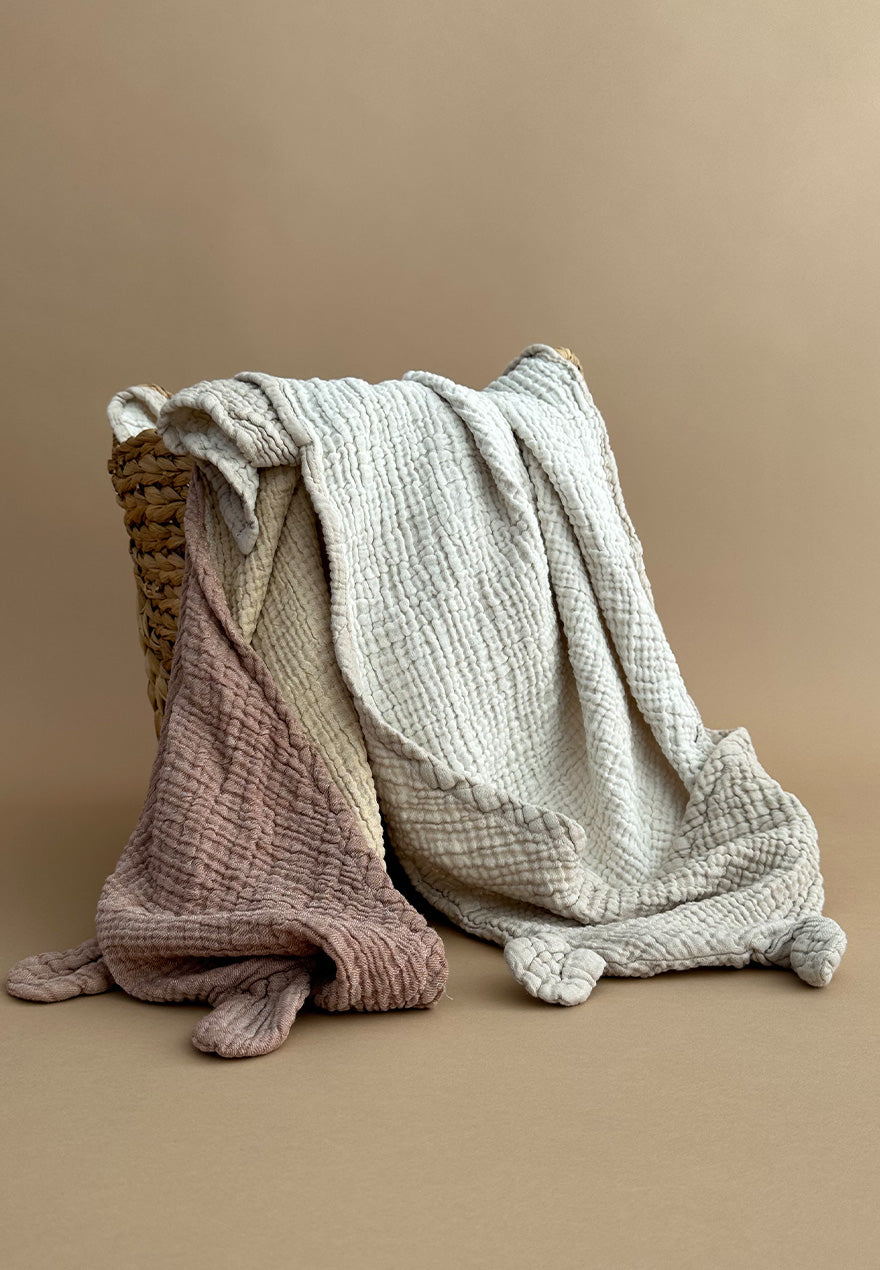
- Use a thin, lightweight fabric such as muslin, so your baby doesn’t get too hot.
- Don’t swaddle too tightly around the hips: the legs need to move freely for healthy hip development.
- Don’t swaddle higher than the shoulders, and make sure the fabric can’t cover their face.
- Always put a swaddled baby on their back, never on their side or tummy.
- Stop swaddling as soon as your baby starts to roll, because they won’t be able to roll back with their arms wrapped.
- Don’t swaddle your baby when they have a fever or infection.
If you share a bed with your baby
The safest place is still your baby’s own cot. If you do bring your baby into your bed, use a firm mattress, keep your baby on their back and away from pillows and duvets. Don’t share a bed with your baby if they were born with a low birth weight (under 2.5 kg), or if you or your partner smoke, have drunk alcohol, or have taken drugs or medicine that makes you drowsy.
In short
On their back, in their own cot, in your room, in a clear cot, not too warm or too cold, and smoke-free. These rules apply to every sleep, including short daytime naps. For any questions, talk to your paediatrician.
Sources: NHS (Reducing the risk of SIDS); The Lullaby Trust (safer sleep and swaddling advice); NCT; Tommy’s. This article doesn’t replace advice from your doctor.
From Baby Molla
For the first days with your baby:
- Muslin swaddles: thin, light and sewn in Prishtina
- Baby blankets: muslin and plush, for every season
- The complete newborn checklist: what you really need