Sleep during pregnancy - what is the best sleeping position?
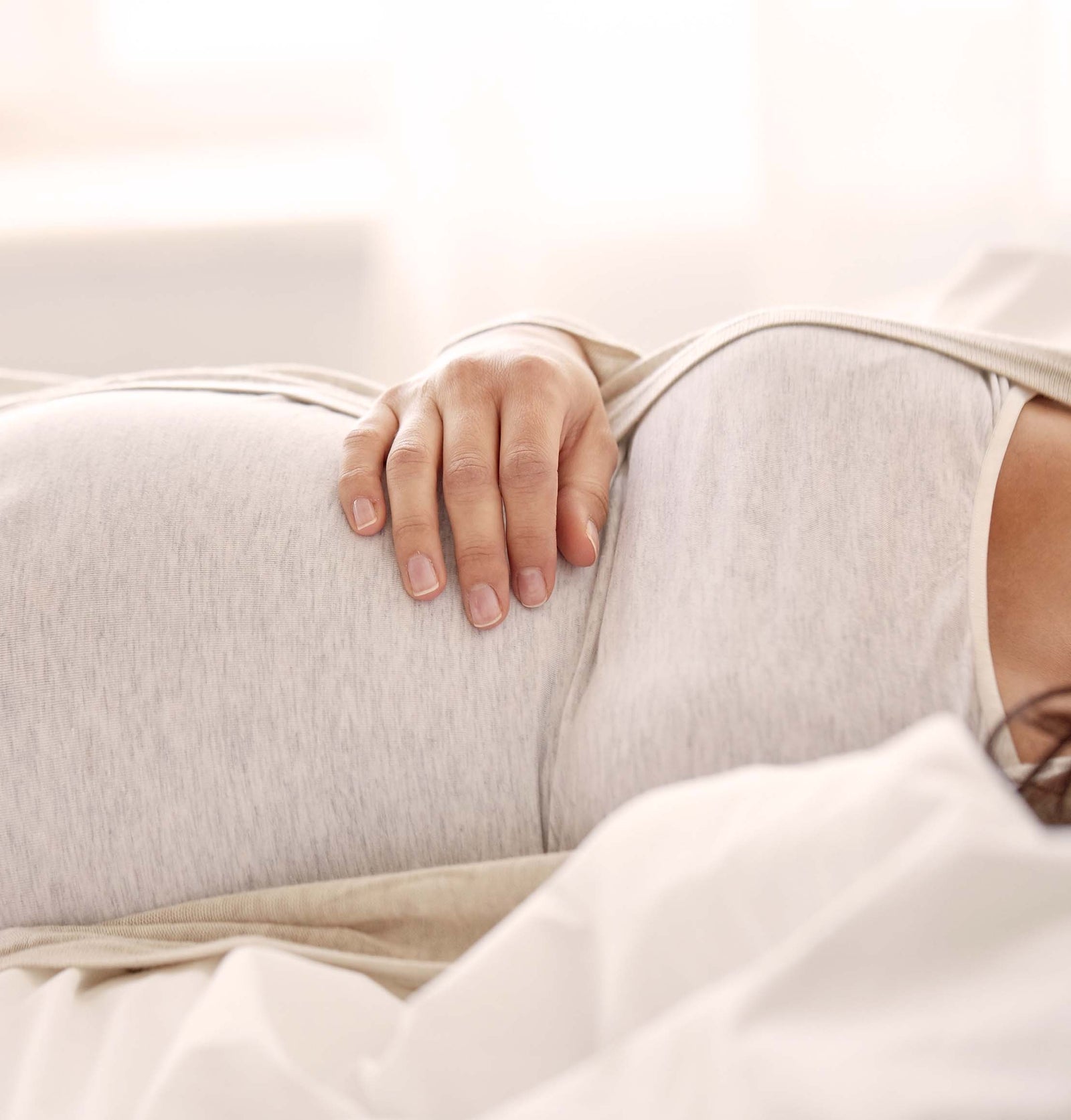
Do you sleep on your back, stomach, or side? Find out if your preferred sleeping position is safe during pregnancy.
Sleeping on your side is the best position for you and your baby during pregnancy, especially once you have passed the halfway point.
Sleeping on your side puts less pressure on your veins and internal organs. This ensures better blood flow to the uterus, which means your baby will receive the maximum amount of nutrients and oxygen. Sleeping on your side also helps prevent reduce swelling, varicose veins in the legs, and hemorrhoids.
I can't sleep on my side. How can I make the transition to sleeping on my side?
If you are used to sleeping on your back or stomach, you can try to make the transition to sleeping on your side early in pregnancy, when sleeping on your back is generally not problematic. As you gain weight and your baby grows, you can:
- Use a pillow under your stomach, between your legs, and behind your back.
- Support yourself with a pillow for side sleeping.
- Lie in a semi-reclined position, supported by several pillows, which can be useful if you suffer from heartburn.
Is one side better than the other for sleeping during pregnancy?
Some doctors suggest that you sleep especially on your left side, because it is thought that blood flow is better for your heart, uterus, kidneys, and your baby when you are on your left side. Sleeping on your left side also keeps pressure off your large vein (the inferior vena cava), which brings blood from your legs back to your heart and keeps your blood circulation moving.
But there is no scientific evidence that the left is better than the right. So, feel free to move from one side to the other.
Is it safe to sleep on my back during pregnancy?
If you usually sleep on your back, it is safe to continue doing so during the first trimester. But as your uterus gets heavier around the middle of pregnancy, it is better to choose another position.
This is because lying on your back allows your growing uterus to compress the inferior vena cava (mentioned above), which could theoretically interfere with the flow of blood and nutrients to the placenta and the baby's development. It can also result in reduced blood flow to you, which can cause dizziness, fainting, or a rapid heartbeat. Sleeping on your back can also contribute to the blood circulation problems mentioned above (varicose veins, hemorrhoids, swelling) as well as pain, muscle aches, and cramps, which can lead to sleep apnea as you gain weight.
Don't worry if you fall asleep on your side and wake up on your back. This happens all the time and should not have any serious negative effect on your baby's health. Simply change your position and go back to sleep.
Is it safe to sleep on my stomach during pregnancy?
Yes. Soft breasts and a rapidly growing belly can make sleeping on your stomach uncomfortable, but you can sleep face down for as long as it suits you.
If you are used to sleeping on your stomach and want to continue, try using a donut-shaped pillow to support your growing belly. Some women think that this allows them to sleep comfortably on their stomach.
How should we sleep during pregnancy?
Even after you find a comfortable sleeping position (and the perfect pregnancy pillows to make it work), getting a good night's sleep can be difficult. Pregnancy symptoms such as the constant need to urinate, nausea, heartburn, and tired legs can make it difficult to get a good night's sleep when you are pregnant.
But there are also many sleep strategies to try. Reduce your caffeine intake, drink more liquids in the morning and less at night, eat a light snack before bed, and use relaxation techniques such as yoga, stretching, and deep breathing. Establish a calming bedtime routine and try to go to bed and wake up at the same time every day. If nothing helps, ask your doctor about safe sleep medications that can be taken during pregnancy.