The second trimester of pregnancy - what happens from week 13 to 27
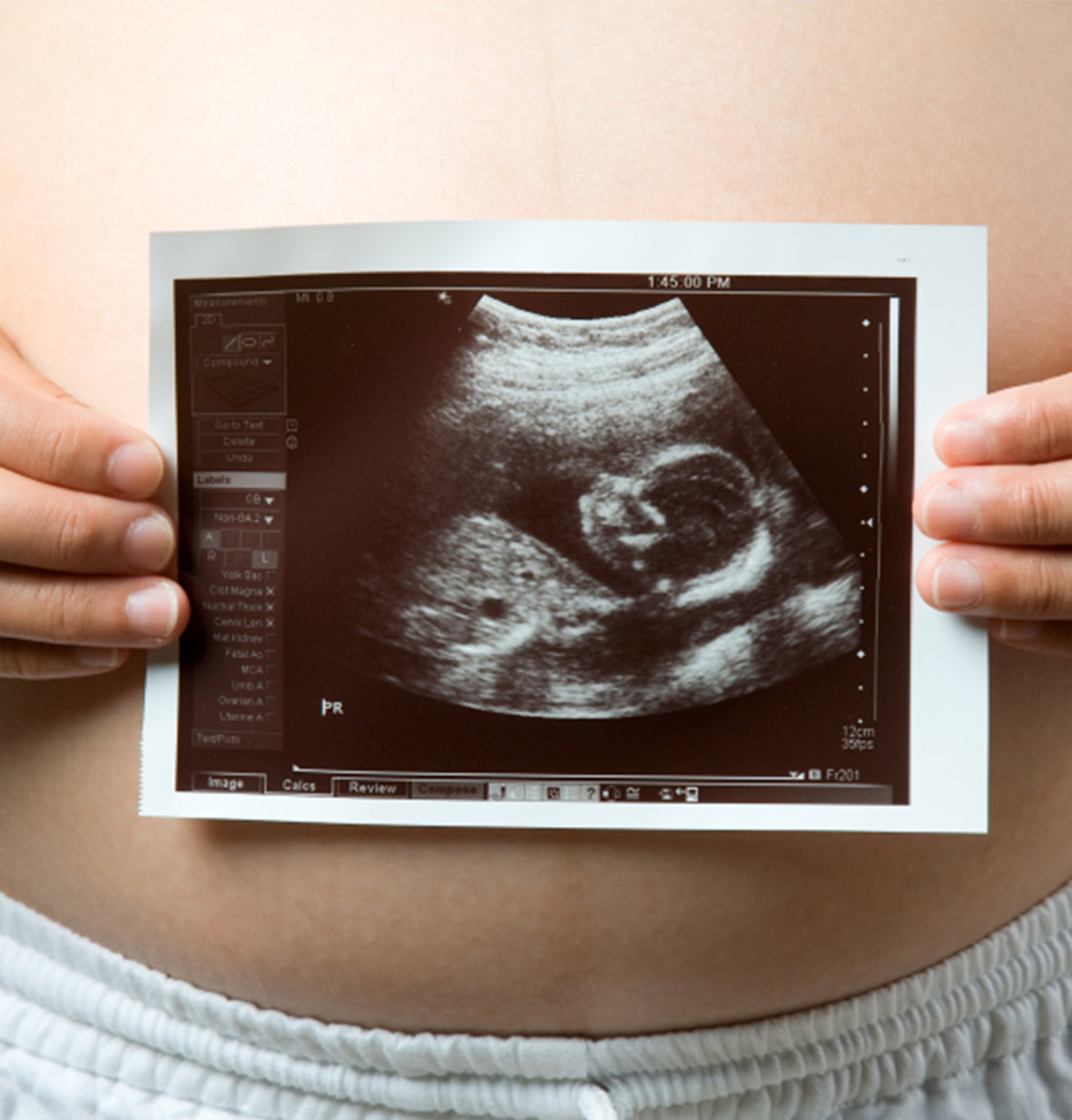
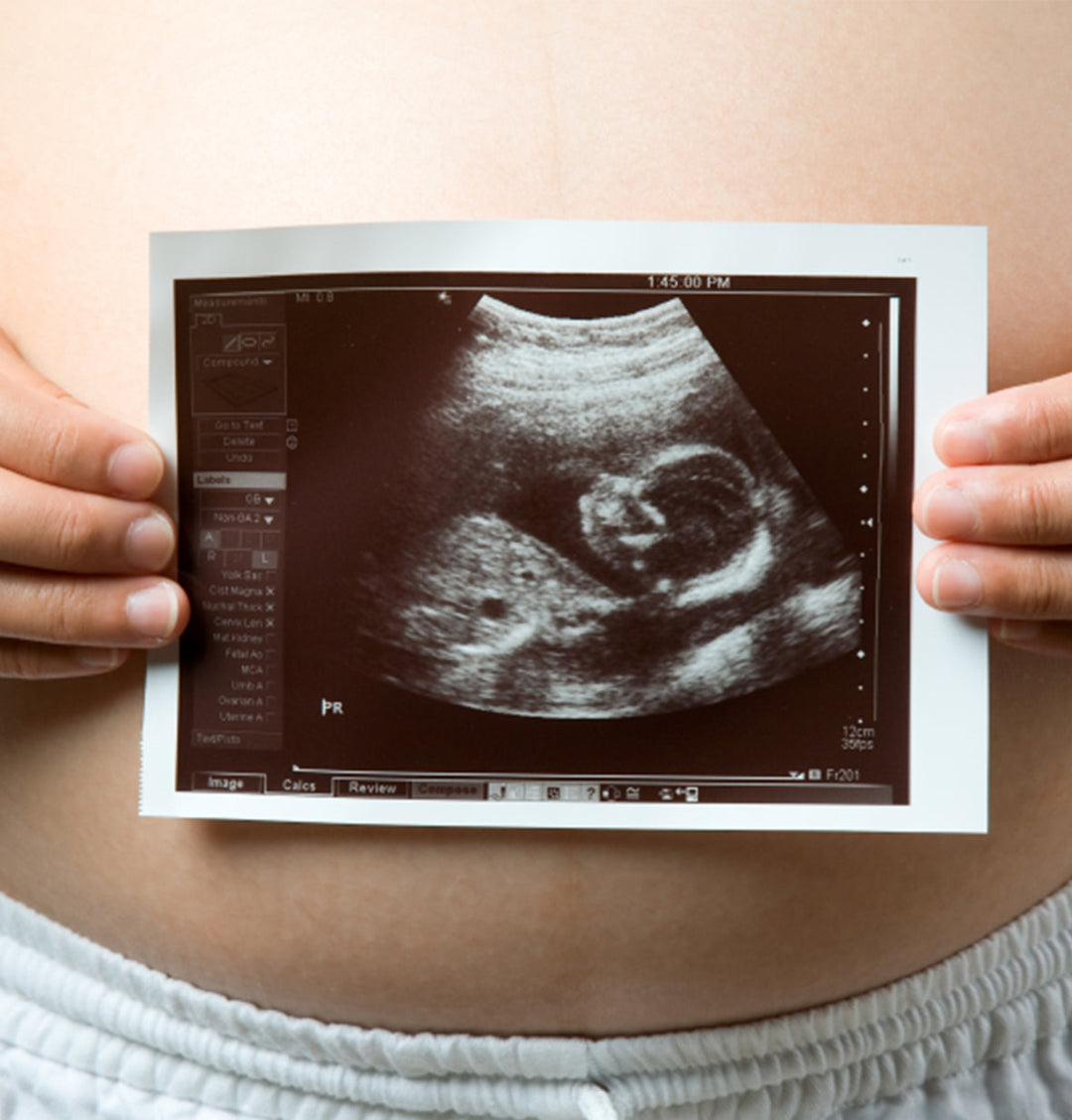
The second trimester of pregnancy lasts from week 13 to week 27. It is often considered the most comfortable phase, as early symptoms such as morning sickness and fatigue usually improve. However, significant changes continue for both the baby and the mother.
Baby's development
During this period, the fetus grows rapidly and begins to develop its main functions:
Growth and size: The baby grows from around 7.6 cm to 35.6 cm and weighs around 0.7-0.9 kg by the end of the trimester.
Facial features: Eyebrows, eyelashes, and hair begin to grow. The baby may also start making facial expressions.
Movement begins: The baby starts to kick, stretch, and even cramp. Around weeks 18-22, the mother may feel these first movements, known as "quickening."
Organ development:
The brain and nervous system develop rapidly.
The lungs begin to form air sacs, but they will not be ready for breathing until later.
The digestive system begins to function, producing meconium (the first stool).
Hearing develops: the baby can hear sounds, including the mother's voice and heartbeat.
Changes in the mother's body
As the baby grows, the mother experiences some physical and hormonal changes:
Belly growth and weight gain: The uterus expands and the belly becomes more noticeable. Weight gain is normal.
Less nausea, more energy: Morning sickness often subsides and many women feel more energetic.
Breast changes: Breasts continue to grow and some women may start producing colostrum, the first form of breast milk.
Back pain and joint discomfort: The extra weight and hormonal changes can cause back pain and joint pain.
Skin changes: Some women develop a dark line on their belly (linea nigra) or pregnancy glow due to increased blood flow.
Hormonal effects:
Muscles may bleed more easily.
Increased vaginal discharge (which helps prevent infections).
Possible swelling in the legs and hands.
Important health considerationsRoutine check-ups: Prenatal visits include monitoring the baby's growth, checking blood pressure, and sometimes an anatomy scan (around week 20) to check for any abnormalities.
Gestational diabetes test: Usually done between weeks 24-28 to check blood sugar levels.
Iron and nutrient needs: Increased iron intake is essential to prevent anemia.
Emotional well-being: Mood swings can still occur, but many women feel emotionally more stable during this trimester.
What to expect next?
With the end of the second trimester, the baby continues to grow and the mother prepares for the final stretch of pregnancy. The third trimester brings more weight gain, stronger movements, and anticipation for birth! 💕