Healing after natural childbirth
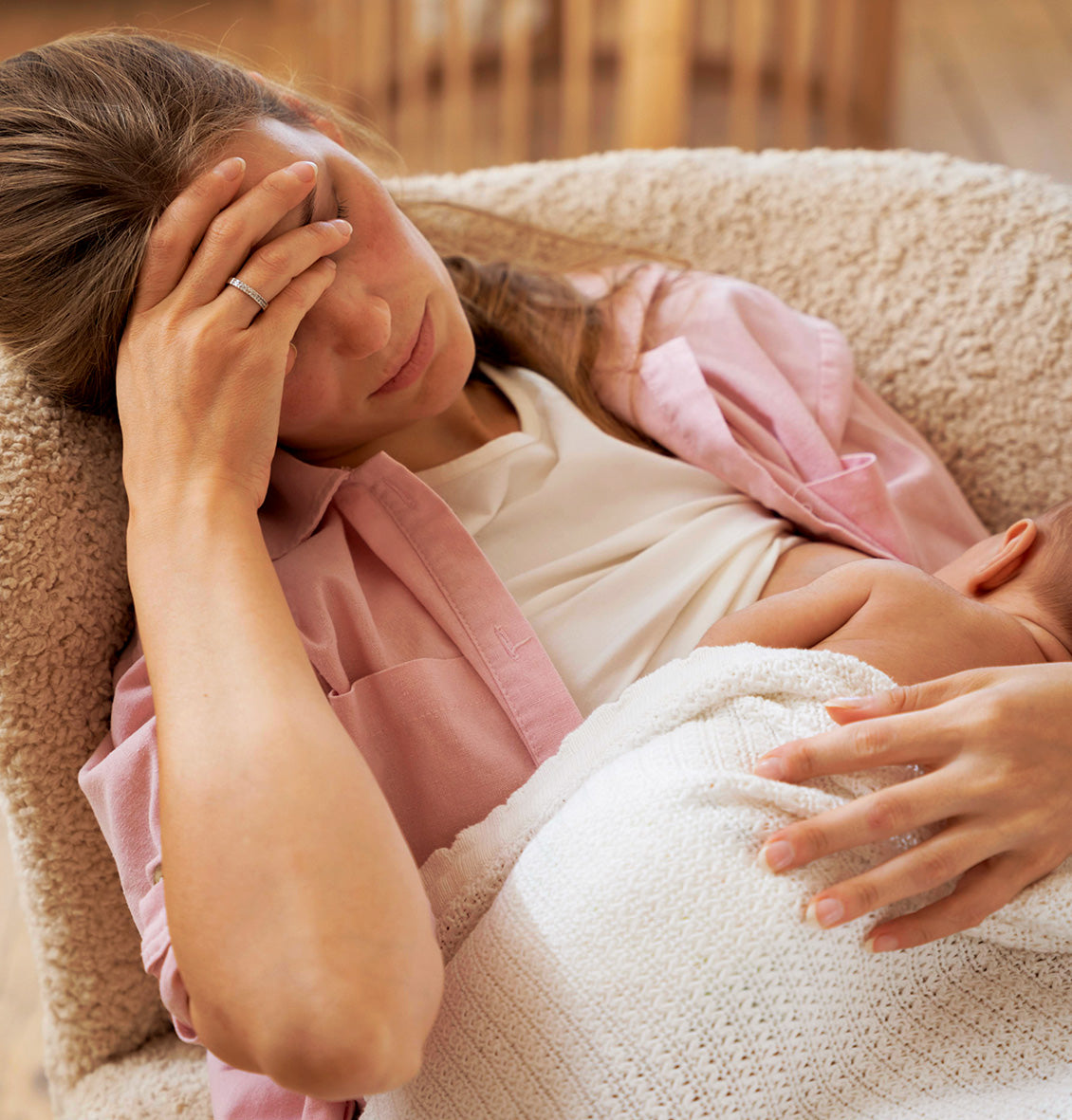
Congratulations on the birth of your baby! As you begin your postpartum journey after a natural birth, it is essential to prioritize your recovery. Your body goes through significant changes during childbirth, and self-care during this time is crucial for a smooth transition into motherhood.
Rest and recovery:
Let your body heal by resting as much as possible during the first days after birth. It is normal to feel tired, so listen to your body's signals and avoid overexertion.
Postpartum bleeding (Lochia):
Expect vaginal bleeding, known as lochia, in the weeks after birth. Avoid tampons and change sanitary pads regularly to maintain hygiene.
Pelvic floor exercises:
Perform gentle exercises to help strengthen and tone the muscles in the pelvic floor. These exercises can promote healing and help prevent future problems such as urinary incontinence.
Proper perineal care:
If you experienced a perineal tear or had an episiotomy during birth, keep the area clean and dry. Use a bottle of warm water to gently clean after using the bathroom. A sitz bath can also provide relief to the intimate area.
Pain management:
Discuss pain management options with your doctor. Over-the-counter pain relievers or prescribed medications can help ease discomfort during the healing process.
Proper nutrition and hydration:
Maintain a balanced diet and stay hydrated to support your body's healing process. Choose nutrient-rich foods and remember to drink plenty of water.
Emotional support:
Emotional healing is just as important as physical healing. Contact a supportive person, whether it is a friend, family member, or another close loved one, and express your feelings openly. Postpartum hormones can cause a range of emotions.
Gentle exercise:
After getting clearance from your doctor, gradually incorporate gentle exercises such as walking into your routine. Exercise can boost your mood, improve blood circulation, and aid postpartum recovery.
Take time for yourself:
Finding time to care for yourself can be challenging as a new mother, but it is vital for your well-being.
Pay attention to signs of infection:
Monitor your incision site (if you had an episiotomy or perineal tear) and look for signs of infection, such as increased redness, swelling, or abnormal discharge. Contact your doctor if you suspect an infection.
The postpartum healing process is a unique and individual journey. Remember that every woman's recovery timeline may vary, so be patient with yourself and your body. Seek support from healthcare professionals, family, and friends, and trust in your ability to heal and embrace the joys of motherhood. Your well-being is essential during this transformative time, and self-care will help you be the best mother possible for your precious baby.