How can I tell if I'm pregnant with a boy or a girl?

One of the most exciting parts of pregnancy is trying to figure out whether you are expecting a girl or a boy. Typically, expectant parents can find out their baby's sex during the 20th week of pregnancy with an ultrasound or sometimes during a blood test around the 10th or 12th week.
But until they arrive those weeks everyone makes their guesses about what you are expecting: a boy or a girl. Making these guesses can be quite fun! We have gathered some fun and interesting gender prediction tests, but keep in mind that predicting the sex of a baby based on signs and symptoms is not scientifically supported. However, there are many old wives' tales and myths that people believe can reveal the sex of a baby. Here are some:
1. Heartbeat
It is often said that if the baby's heartbeat is over 140 beats per minute, it is a girl, and if it is lower, it is a boy. However, there is no scientific evidence to support this.
2. Cravings
Some people believe that specific cravings can reveal the baby's sex. For example, a craving for sweets may indicate a girl, while a craving for salty or savory foods may indicate a boy. Again, there is no scientific evidence for this.
3. Morning sickness:
It is said that severe morning sickness can indicate a girl, while minimal or no morning sickness may indicate a boy. However, morning sickness varies greatly from person to person and pregnancy to pregnancy, and it is not a reliable indicator of sex.
4. High or low belly:
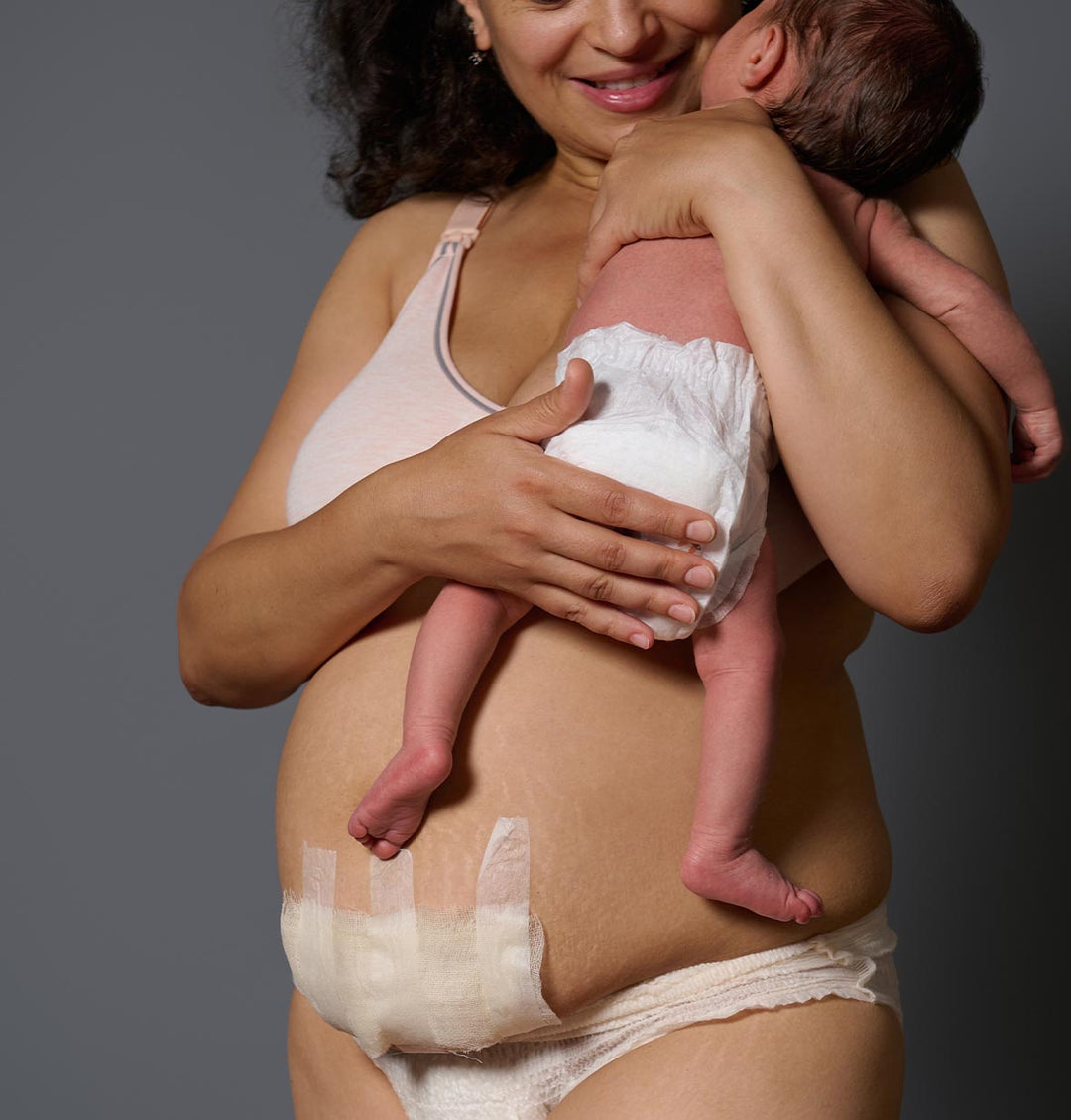
The way a woman carries her baby bump is often thought to reveal the sex. Carrying high is said to indicate a girl, while carrying low is said to indicate a boy. However, this is simply anecdotal.
5. Chinese gender chart:
Some people believe in the Chinese gender chart, which claims to predict the baby's sex based on the mother's age at conception and the month of conception. However, this method is not scientifically proven.
6. Intuition:
Some mothers claim to have a strong intuition about their baby's sex. While this may be true in some cases, it is not a reliable prediction method.
It is important to remember that these methods are just for fun and should not be relied on for accurate gender prediction. The only sure way to determine the baby's sex is through medical methods such as ultrasound or genetic testing.